Cult following
The tunnels echo with a loyal, obsessive fandom—where every filter gasp and spent bullet is a shared ritual.

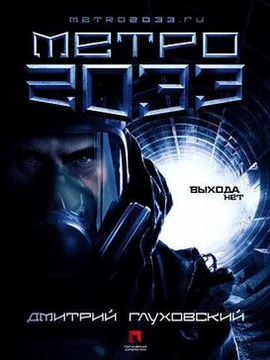
The *Metro 2033* franchise, born from Dmitry Glukhovsky's novel and adapted into a video game series by 4A Games, has cultivated a devoted cult following. This following is rooted in the series' unique blend of post-apocalyptic survival horror, atmospheric storytelling, and deep immersion in the decaying tunnels of the Moscow Metro. Fans are drawn to its unflinching depiction of a shattered world, where scarce resources, mutant threats, and ideological factions create a constant sense of tension and moral ambiguity.
- Character
- Artyom
- Role
- Protagonist and silent narrator
- Affiliation
- Exhibition station, Spartan Order (later)
- First appears
- Metro 2033 (2010)
- Status
- Alive (depending on ending)
Lore & Background
The cult following of *Metro 2033* is not a matter of sales figures; it is a testament to the game's ability to forge a personal, almost primal connection with its players. Many fans discovered the series during an era when first-person shooters were dominated by bombastic, corridor-based action and regenerating health. *Metro 2033* offered a slower, more methodical experience, where ammunition doubled as currency—forcing you to count every round—and the environment was as much a character as any human. This deliberate pacing and focus on atmosphere over spectacle resonated deeply with players seeking a more thoughtful, immersive experience, creating a dedicated community that has persisted across multiple sequels and a novel expansion. The fandom is characterized by its passionate defense of the series' unique identity, particularly its Eastern European perspective on the apocalypse, which contrasts sharply with Western post-apocalyptic tropes of raiders and super-mutants. The Metro itself is seen as a character: a claustrophobic, dangerous, yet strangely beautiful network of stations and tunnels. Fans engage in detailed discussions about the lore of the various stations—from the bustling market of Riga to the haunted ruins of Paveletskaya—the political machinations of factions like the Red Line and the Fourth Reich, and the ambiguous nature of the Dark Ones. This deep engagement has spawned fan art, fan fiction, and even real-life Metro exploration communities (some risking arrest to explore abandoned subway systems), solidifying the game's status as a cult classic.
In Their Own Story
The air in the Exhibition station is thick with the smell of damp concrete and recycled oxygen. Khariton, a veteran of the tunnels, holds court by the station's makeshift bar, a collection of salvaged pipes and a single, flickering bulb. 'You think you know the Metro?' he rasps, his voice a low rumble. 'You've seen the maps, heard the tales. But you haven't felt the cold of the surface, the weight of a filter running out, the silence of a tunnel where the only sound is your own heart.' A young Ranger recruit listens, his eyes fixed on the older man. 'The game,' Khariton continues, 'it's a testament. It's our story, told in the only way that matters: through the fear and the hope. That's why we keep coming back. That's why it will never be forgotten.'
Reader's Guide
The game was a direct adaptation of Dmitry Glukhovsky's 2005 novel. 4A Games, founded by former S.T.A.L.K.E.R.: Shadow of Chernobyl developers, brought a distinct Eastern European sensibility to the project, focusing on atmosphere, survival mechanics, and a grim, realistic aesthetic. The game was published by THQ. Upon release, *Metro 2033* received generally favorable reviews, praised for its immersive world, compelling story, and unique setting. However, it was also criticized for its technical issues and occasionally clunky gameplay. Despite not being a blockbuster hit, it quickly developed a passionate fanbase. The game's cult status was further cemented by the release of *Metro: Last Light* (2013) and *Metro Exodus* (2019), which expanded the world and refined the gameplay, but never lost the core identity that fans loved. The series is often cited as a prime example of a 'hidden gem' that rewards patient, attentive players.
Did You Know?
- The game's iconic 'bullet currency' system was inspired by the real-world use of ammunition as a medium of exchange in post-Soviet states during periods of hyperinflation.
- The developers at 4A Games included a 'Ranger Mode' difficulty setting, which removes the HUD and makes combat more lethal, as a direct response to fan requests for a more hardcore experience.
- The Metro 2033 novel was initially published online by Dmitry Glukhovsky, and its popularity led to a print deal and eventually the video game adaptation.
- The game's soundtrack, composed by Alexey Omelchuk, is widely praised by fans for its melancholic and atmospheric quality, and is often used in fan-made videos and tributes.
More in Development & Legacy
Elsewhere in the Metro 2033 universe
Spotted an error? Know more?
This is a living reference — every entry is fact-audited, and reader corrections feed straight into our audit queue. Suggest an edit · See this site's audit record