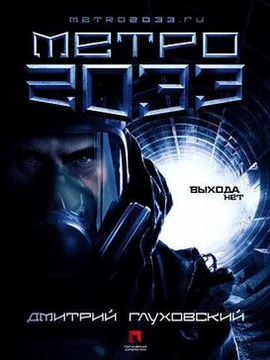
Stealth mechanics
The darkness is your only ally; the light will betray you.

Stealth mechanics in the *Metro 2033* franchise are a core gameplay pillar, emphasizing survival over direct confrontation. Players are encouraged to avoid enemies, conserve ammunition, and navigate the post-apocalyptic tunnels of the Moscow Metro using darkness, shadows, and sound discipline. The system is tied to the game's resource scarcity, where bullets serve as both currency and ammunition, making stealth a practical necessity rather than a mere option.
- Role
- Core gameplay mechanic
- Affiliation
- Metro 2033, Metro: Last Light, Metro Exodus
- First appears
- Metro 2033 (2010)
- Key feature
- Light and sound detection; player's visibility depends on lighting and noise
- Notable mechanic
- Stealth kills with throwing knives or melee; silenced weapons available
- Impact
- Influences moral points system in the series
Lore & Background
In the irradiated ruins of Moscow, the Metro's tunnels are patrolled by mutants, bandits, and fascist factions. Stealth is not cowardice but wisdom—a way to conserve precious bullets and avoid attracting swarms of monsters. Artyom, the protagonist, learns to move like a ghost, extinguishing lights and creeping through vents to bypass patrols. The darkness is both ally and enemy, hiding dangers that can end a journey in seconds. The stealth system reflects the harsh reality of the Metro: every encounter is a risk. Players must weigh the cost of a firefight against the slow, tense process of sneaking past. The moral choices tied to stealth—sparing or killing enemies—add depth, rewarding pacifist approaches with better endings. This design reinforces the theme of humanity's struggle to retain compassion in a brutal world. In *Metro Exodus*, stealth expands to open environments, with dynamic weather and day-night cycles affecting visibility. The system remains true to its roots, forcing players to adapt to changing conditions—rain muffles footsteps but reduces vision, while snow leaves tracks. It is a constant reminder that survival depends on cunning, not firepower.
In Their Own Story
The tunnel was a throat of black concrete, lit only by a single, sickly bulb that buzzed with dying electricity. Artyom flattened himself against the wall, feeling the cold seep through his coat. Ahead, a bandit guard cleared his throat and spat, the sound echoing like a stone dropped into a well. One shot from Artyom's revolver would bring the whole camp down on him—a chorus of gunfire and mutant howls. He slid his knife from its sheath, the blade catching no light. He moved, one silent footstep at a time, timing his breath with the guard's coughs. When he reached the man's back, he smelled sweat and cheap tobacco. A hand clamped over the mouth, the blade found the throat, and the guard crumpled without a sound. Artyom dragged the body into the shadows, wiped the blade on his sleeve, and vanished into the dark. The tunnel was silent again, save for the buzz of the bulb and the distant drip of water.
Reader's Guide
Developed by 4A Games, the stealth mechanics in *Metro 2033* were designed to complement the survival horror atmosphere, not to create a pure stealth game. The studio focused on realistic light and sound propagation, using the proprietary 4A Engine to render dynamic shadows and AI hearing. The system was refined in *Metro: Last Light* (2013), adding a stealth indicator and more tools like silenced weapons and decoys. Reception was positive, with critics praising the tension and immersion. However, some noted the AI's inconsistent behavior and the lack of a dedicated stealth tutorial. The mechanics were further evolved in *Metro Exodus* (2019), introducing a compass that alerts players to enemy awareness and allowing for more open-ended approaches. The series' stealth is often compared to *Thief* and *S.T.A.L.K.E.R.*, but remains distinct in its integration with resource management and moral choices. The stealth system has been a defining feature of the franchise, influencing other games in the post-apocalyptic genre.
Did You Know?
- In *Metro 2033*, the player's watch glows in the dark to indicate visibility—green means hidden, red means spotted.
- Stealth kills in the series often use throwing knives, which can be retrieved from bodies.
- The moral points system, which affects the ending, is heavily influenced by stealthy, non-lethal play.
- 4A Games used real-world light physics to simulate how shadows behave in the Metro's tunnels.
More in Development & Legacy
Elsewhere in the Metro 2033 universe
Spotted an error? Know more?
This is a living reference — every entry is fact-audited, and reader corrections feed straight into our audit queue. Suggest an edit · See this site's audit record