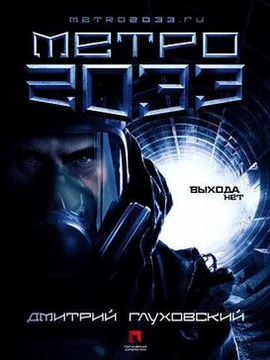
Book-to-game adaptation
Every tunnel is a tomb. Every shadow hides a claw. Artyom, the Metro is dying—and only you can silence the darkness.

The book-to-game adaptation of *Metro 2033* is the foundational process by which Dmitry Glukhovsky’s 2005 post-apocalyptic novel was transformed into a first-person shooter video game, released in 2010 by Ukrainian developer 4A Games. This adaptation is notable for its fidelity to the source material’s atmosphere and themes, while translating the novel’s linear narrative into an immersive, survival-horror experience set in the Moscow Metro. The game’s success established a franchise that would later expand into sequels and a broader transmedia universe, solidifying the adaptation as a landmark in video game storytelling.
- Developer
- 4A Games
- Publisher
- THQ (original release)
- Genre
- First-person shooter, survival horror
- First appearance
- 2010
- Based on
- Metro 2033 novel by Dmitry Glukhovsky
- Protagonist
- Artyom
Lore & Background
The adaptation of *Metro 2033* was a labor of passion for 4A Games, a studio founded by former developers from S.T.A.L.K.E.R.: Shadow of Chernobyl. They sought to capture the novel’s grim, claustrophobic world where survivors eke out an existence in the Moscow Metro’s tunnels, threatened by mutants, hostile factions, and the mysterious Dark Ones. The game retained the novel’s core plot: Artyom’s journey from VDNKh station to the Polis to warn of an impending Dark One attack, culminating in the destruction of their hive at the Ostankino Tower. However, the adaptation streamlined the narrative, focusing on action and set-pieces while preserving key moments like the encounter with the Librarian mutants and the eerie, abandoned surface of Moscow.
In Their Own Story
Artyom, a young man from VDNKh station, stands in the flickering light of a kerosene lamp. His mentor, Hunter, has vanished into the darkness, leaving a single instruction: reach Polis, warn them of the Dark Ones. The tunnels groan with unseen threats—a rat scurries, a distant scream echoes. Artyom checks his revolver, the metal cold against his palm. Ahead, the tunnel mouth yawns, a black maw promising terror or salvation. He steps forward, the air thick with the smell of damp concrete and decay, knowing that the surface above is a poisoned graveyard, and the only way forward is through the heart of the Metro. Every breath tastes of rust and mildew. Every junction could hide a bandit’s bullet or a mutant’s claws. And somewhere, in the static-cracked radio, a voice whispers of a light that might never come.
Reader's Guide
4A Games developed *Metro 2033* using their proprietary 4A Engine, which allowed for advanced lighting and atmospheric effects that defined the game’s oppressive tone. The studio, based in Kyiv, Ukraine, faced significant challenges in adapting the novel’s introspective, philosophical passages into interactive gameplay, opting for a linear, story-driven campaign punctuated by survival-horror elements. Reception was generally positive, with critics praising the atmosphere, sound design, and faithfulness to the source material, though some noted technical issues and a steep difficulty curve. The adaptation’s success led to a sequel, *Metro: Last Light* (2013), and later a full franchise, including *Metro Exodus* (2019). The game is often cited as a benchmark for narrative-driven shooters and a prime example of how to adapt literary works into interactive media without losing their essence. Notably, the game’s iconic ‘gas mask crack’ mechanic—where a single bullet hole could doom you—was a direct translation of the novel’s relentless emphasis on resource scarcity and the fragility of life above ground.
Did You Know?
- The game’s developer, 4A Games, was founded by former GSC Game World developers who worked on S.T.A.L.K.E.R.: Shadow of Chernobyl.
- Dmitry Glukhovsky, the novel’s author, was involved in the adaptation process, providing input to ensure the game stayed true to the book’s themes.
- The 4A Engine used for the game was built from scratch by 4A Games, with a focus on dynamic lighting and volumetric effects to create the Metro’s oppressive atmosphere.
- The game features multiple endings, a departure from the novel’s singular conclusion, based on player choices regarding the Dark Ones.
More in Development & Legacy
Elsewhere in the Metro 2033 universe
Spotted an error? Know more?
This is a living reference — every entry is fact-audited, and reader corrections feed straight into our audit queue. Suggest an edit · See this site's audit record