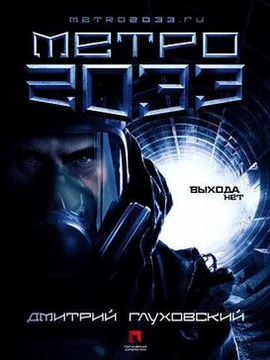
Gas mask mechanic
Your last breath between you and the poisoned sky.

The gas mask is the most iconic survival mechanic in the Metro 2033 franchise, serving as both a gameplay system and a narrative symbol of the post-apocalyptic world. It is a mandatory piece of equipment for traversing the irradiated surface of Moscow, where the air is lethal without filtration. The mask's condition, filter duration, and the constant threat of cracks or damage create a persistent tension that defines the series' survival horror identity.
- Role
- Primary survival equipment for surface exploration
- Affiliation
- Artyom and all Metro inhabitants
- First appears
- Metro 2033 (2010)
- Status
- Recurring mechanic across all mainline Metro games
Lore & Background
In the world of Metro 2033, the surface of Moscow remains permanently irradiated and toxic following the nuclear war of 2013. The air is filled with radioactive dust, chemical residues, and unknown pathogens. Gas masks, scavenged from military surplus, pre-war civil defense stockpiles, and fallen stalkers, are the only means of survival above ground. Each mask is a precious, often customized artifact, with filters that must be carefully rationed. The masks themselves are a patchwork of military and civilian models, often repaired with tape, spare parts, and improvised seals. The condition of the glass, the integrity of the rubber, and the remaining filter life are matters of life and death. A single crack from a bullet or a mutant's claw can mean a slow, agonizing death from asphyxiation or radiation poisoning. This fragility makes every surface excursion a calculated risk, and the sound of a filter running low is one of the most dreaded in the series. Beyond gameplay, the gas mask is a potent symbol of the Metro's isolation. It separates the underground dwellers from the lost world above, a physical barrier that also represents psychological distance. To remove the mask is to taste freedom, but also to invite death. The mask is both a shield and a prison.
In Their Own Story
The filter counter clicked down: 5:00. Artyom checked the seal on his mask for the third time, the rubber stiff with cold. The Library's halls were silent, but the air outside the broken window shimmered with a faint green haze. He stepped onto the balcony, and the wind carried the taste of metal and ash through the filter. A distant howl echoed between the dead skyscrapers. 4:30. He had to find the maps and get back before the canister ran dry. A single crack, a single tear in the rubber, and the Library would become his tomb.
Reader's Guide
The system was designed to enforce the survival horror atmosphere, making the player constantly aware of their vulnerability. The developers drew inspiration from the book's detailed descriptions of the dangers of the surface. The mechanic was refined in Metro: Last Light, adding more visual feedback for damage and a wider variety of mask types. Critics and players praised the mechanic for its immersive tension, though some found the constant filter management stressful. The system became a defining feature of the series, distinguishing it from other first-person shooters. In Metro Exodus, the mechanic was expanded to include a crafting system for filters and the ability to repair the mask, reflecting the game's more open-world structure. The gas mask remains a core element of the Metro identity, synonymous with the franchise's unique blend of horror, survival, and storytelling.
Did You Know?
- The gas mask was inspired by real Soviet military and civil defense masks, such as the PMK-2 and GP-5 models.
- In Metro 2033, the mask can fog up in cold environments, and the player must wipe it clean to maintain visibility.
- The sound of the filter running out is a modified recording of a human breath being restricted, designed to induce anxiety.
- In Metro Exodus, the player can find and equip different mask types, each with unique visual and durability characteristics.
More in Development & Legacy
Elsewhere in the Metro 2033 universe
Spotted an error? Know more?
This is a living reference — every entry is fact-audited, and reader corrections feed straight into our audit queue. Suggest an edit · See this site's audit record