Eastern European game development
From Soviet ruins to global acclaim: a gritty rebirth.

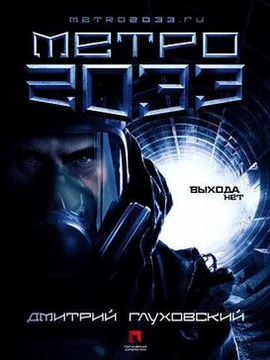
Eastern European game development, forged in the post-Soviet crucible, is a raw, unflinching blend of rusty survivalism, atmospheric dread, and technical audacity. Studios like 4A Games, born from the ashes of GSC Game World's S.T.A.L.K.E.R. team, didn't just build worlds—they excavated them from the region's industrial carcass. The Metro 2033 series, drawn from Dmitry Glukhovsky's novels, doesn't just show you decay; it makes you taste the concrete dust, feel the cold of abandoned bunkers, and wrestle with moral choices that feel as heavy as a gas mask in a radiation storm. These developers, often scraping by on shoestring budgets, produce global hits that prioritize immersion over flash, turning scarcity into a signature aesthetic.
- Notable Studio
- 4A Games
- Headquarters
- Malta (originally Kyiv, Ukraine)
- Key Franchise
- Metro series
- Engine
- 4A Engine
- Influence
- Post-apocalyptic survival horror
Lore & Background
Eastern European game development clawed its way out of a unique crucible of economic collapse and creative grit. In the 2000s, Ukrainian and Russian studios started crafting games that mirrored their own backyards—abandoned factories bleeding rust, radioactive wastelands where the wind whispers through dead grass, and claustrophobic metro tunnels that smell of damp wool and fear. The Metro series, helmed by 4A Games, is the purest distillation of this ethos: a first-person shooter that forces you to fumble for filters while mutant claws scrape the dark, all set in the Moscow Metro after the world burned. The developers didn't just research Soviet-era infrastructure—they grew up in it, played in its ruins, and knew the exact weight of a corroded iron door. That authenticity seeps into every cracked tile and flickering bulb of Artyom's journey. This region’s output often prioritizes atmosphere over polish, with titles like S.T.A.L.K.E.R.: Shadow of Chernobyl (2007) pioneering open-world survival in the Exclusion Zone, where anomalies shimmer like poisoned dreams. The success of these games proved that Eastern European studios could compete globally without sanding off their cultural edges. The 4A Engine, custom-built for Metro 2033 by a dozen engineers with no middleware, showcased technical wizardry—pushing advanced lighting and physics on hardware that would make Western developers weep. That underdog spirit, born from necessity, still defines the region’s identity: every game feels like it was built with duct tape, hope, and a profound understanding of how the world ends.
In Their Own Story
The air in the tunnel tasted of rust and damp concrete. Artyom adjusted his gas mask, the scratched lens revealing a world of flickering fluorescent lights and scattered bones. A distant growl echoed from the darkness—a nosalies, or worse. He checked his revolver: five rounds left. The station's generator hummed unevenly, a sound as familiar as his own heartbeat. Somewhere above, the surface lay dead under a grey sky, but down here, in the veins of the metro, life clung on with desperate tenacity. He moved forward, because that was all anyone could do in this world.
Reader's Guide
The game's success spawned sequels: Metro: Last Light (2013) and Metro Exodus (2019), the latter breaking into open-world levels while retaining that signature tunnel-crawl tension. The series is infamous for its Ranger Mode, which strips away HUD elements to make every bullet and breath count. Critics praised the narrative depth and visual fidelity, though some grumbled about occasional jank—a small price for such a visceral, handcrafted hell.
Did You Know?
- The 4A Engine was built from scratch by a small team of 12 engineers, with no middleware, to achieve the unique look of Metro 2033.
- Metro 2033's story was directly based on Dmitry Glukhovsky's 2005 novel, but the game expanded on characters and locations not in the book.
- The development team drew inspiration from real-life abandoned Soviet metro stations and bunkers for level design.
- 4A Games initially struggled to secure funding, with THQ stepping in after seeing a prototype demo at a trade show.
More in Development & Legacy
Elsewhere in the Metro 2033 universe
Spotted an error? Know more?
This is a living reference — every entry is fact-audited, and reader corrections feed straight into our audit queue. Suggest an edit · See this site's audit record