Stalker series comparison
Two radioactive siblings, diverging paths through the apocalypse.

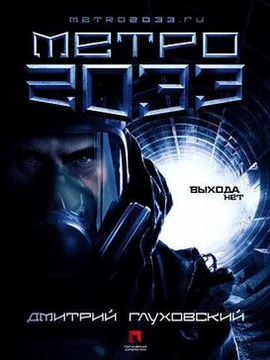
The comparison between the Metro and S.T.A.L.K.E.R. series is a frequent topic among fans of post-apocalyptic first-person shooters, as both franchises share deep roots in Ukrainian game development and a common thematic DNA of survival in a radioactive wasteland. While S.T.A.L.K.E.R.: Shadow of Chernobyl (2007) pioneered open-world exploration, artifact hunting, and the infamous A-Life ecosystem simulation—where mutants and stalkers war, trade, and die even when you’re not watching—Metro 2033 (2010) focused on a more linear, narrative-driven journey through the Moscow Metro, emphasizing atmosphere, resource scarcity, and supernatural horror. The comparison is often framed as a contrast between emergent sandbox gameplay and curated storytelling, with each series influencing the other's legacy and fan expectations.
- Developer
- 4A Games (Metro) / GSC Game World (S.T.A.L.K.E.R.)
- Genre
- First-person shooter, survival horror, immersive sim
- First release
- Metro 2033 (2010) / S.T.A.L.K.E.R.: Shadow of Chernobyl (2007)
- Setting
- Post-apocalyptic Russia and Ukraine
- Key similarity
- Both feature radiation, mutants, and moral choices
- Key difference
- Metro is linear with hub areas; S.T.A.L.K.E.R. is open-world with A-Life
Lore & Background
The Metro series, based on Dmitry Glukhovsky's novels, follows Artyom as he traverses the tunnels of the Moscow Metro, a refuge from the surface irradiated after nuclear war. Its world is claustrophobic, faction-ridden, and haunted by psychic anomalies and the mysterious Dark Ones. In contrast, S.T.A.L.K.E.R. Stalkers—scavengers and explorers—risk their lives for profit and discovery, often clashing with military forces and rival factions.
In Their Own Story
Artyom crouches in a darkened tunnel, his pneumatic rifle trained on a distant shape. The air smells of damp concrete and old blood. He remembers a story from a trader in the Riga station—a man who claimed to have seen the surface, not as a dead world, but as a place of shimmering fields and strange, singing artifacts. The shape moves. It is not a mutant. It is a stalker, clad in a patched-up hazmat suit, a gas mask with cracked lenses. 'You from the Metro?' the stranger rasps. 'I came from the Zone. The tunnels are nothing compared to what's up there.' Artyom lowers his weapon. For a moment, two apocalypses meet in the dark.
Reader's Guide
The Metro series was developed by 4A Games, a studio founded by former GSC Game World developers who had worked on S.T.A.L.K.E.R.: Shadow of Chernobyl. This shared lineage explains the many mechanical similarities—limited ammunition as currency, radiation zones, and a focus on survival. The series is praised for its atmospheric storytelling, voice acting, and immersive world-building, though criticized by some for linear level design. S.T.A.L.K.E.R., developed by GSC Game World, was lauded for its open-world freedom, emergent gameplay, and A-Life system, but faced technical bugs and a steep learning curve. Both series have passionate fanbases and have inspired modding communities, with S.T.A.L.K.E.R. in particular spawning numerous total conversion mods. The comparison remains relevant as both franchises continue with new entries—Metro Exodus (2019) and S.T.A.L.K.E.R. 2: Heart of Chornobyl (upcoming).
Did You Know?
- 4A Games was founded by former GSC Game World developers who worked on S.T.A.L.K.E.R.: Shadow of Chernobyl.
- Both series use a currency system where ammunition doubles as money—5.45x39mm rounds in Metro, and various calibers in S.T.A.L.K.E.R.
- The Metro series is based on a novel by Dmitry Glukhovsky, while S.T.A.L.K.E.R. is inspired by the Strugatsky brothers' novel Roadside Picnic.
- Both games feature a 'bleeding' health system that requires bandages, and gas masks that can crack or filter degrade over time.
More in Development & Legacy
Elsewhere in the Metro 2033 universe
Spotted an error? Know more?
This is a living reference — every entry is fact-audited, and reader corrections feed straight into our audit queue. Suggest an edit · See this site's audit record